Joshua Tree National Park: Top Family-Friendly Hikes
Last updated on August 14, 2026

Looking for the best hikes to take with kids at Joshua Tree National Park?
With its stunning landscapes, towering rock formations, and iconic Joshua trees, Joshua Tree National Park is a bucket list destination for outdoor enthusiasts. But if you are planning a visit to Joshua Tree with kids, finding the right trails—ones that balance excitement with accessibility—is key to a safe and memorable visit.
Luckily, the park offers a variety of easy hikes!
The very first time I visited Joshua Tree, my son was very young and we camped for three nights, going on lots of different hikes. Over the years, we’ve been back many times and enjoyed exploring new trails and adventures.
In this guide, we’ll reveal the best family-friendly hikes in Joshua Tree National Park based on experience, highlighting trails with minimal elevation gain, fascinating rock formations, and opportunities to spot wildlife. Whether you’re looking for a short stroll or a slightly longer adventure, these top family-friendly hikes will allow your family to experience the magic of Joshua Tree.
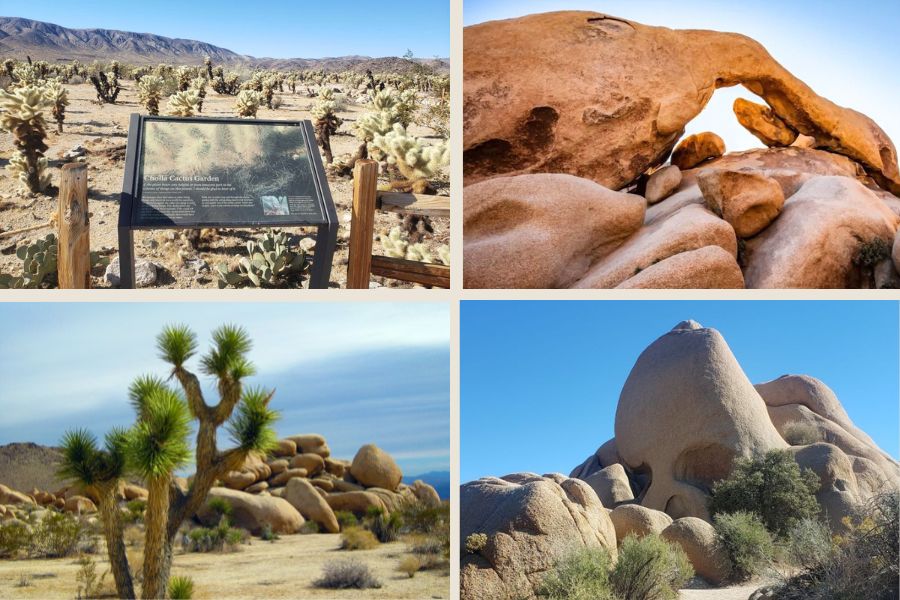
Top 5 Family-Friendly Hikes at Joshua Tree
Joshua Tree National Park offers a variety of trails suitable for families with children of different ages and abilities. Here are five of the best family-friendly hikes, ranging from easy nature walks to more challenging adventures:
1. Cholla Cactus Garden Nature Trail
Difficulty Level: Easy
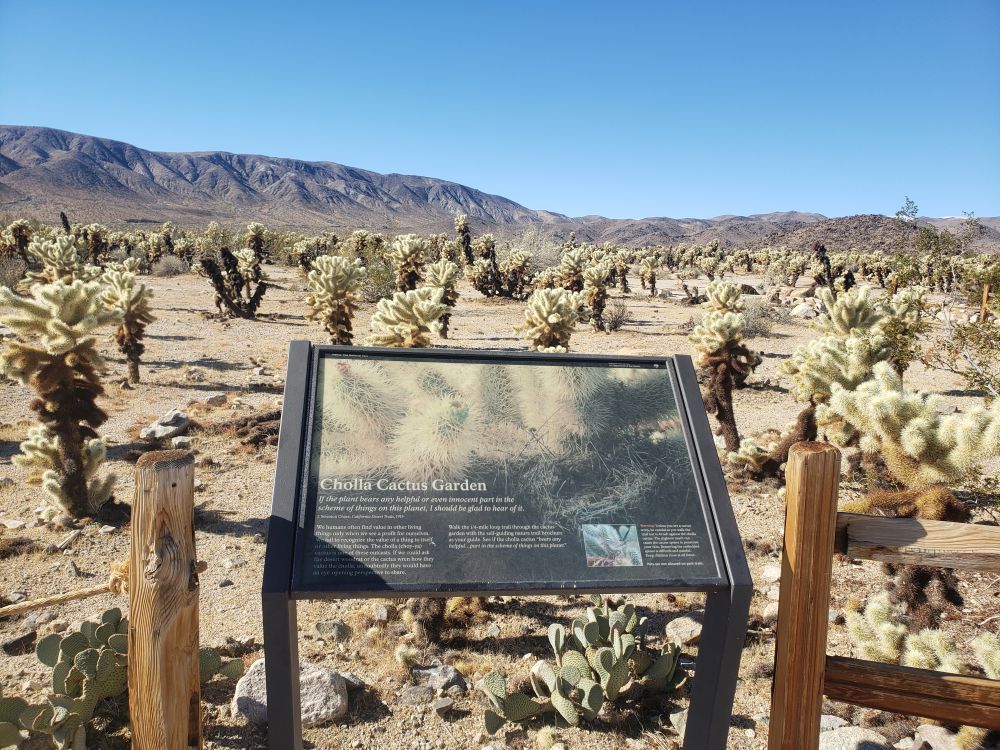
While not a traditional hike, this short, 0.25-mile boardwalk trail is a must-visit for families and the perfect Joshua Tree destination if you have young children. In fact, it is one of the best things to do in Joshua Tree with kids no matter what their ages!
The Cholla Cactus Garden Trail is located toward the south end of the park right off Pinto Basin Road, closest to the Cottonwood entrance, one of three entrances to Joshua Tree National Park. It is where the Mojave and Colorado deserts meet, and the dense stand of cholla cacti creates an otherworldly landscape.
Interpretive signs explain the unique adaptations of desert plants. Cholla Cactus Garden has a flat, accessible trail suitable for strollers and wheelchairs, making it ideal for families with toddlers or very young kids or people with mobility issues.

Remind children not to touch the cacti, as their spines can be painful and difficult to remove. The cacti – deceptively called Teddy Bear Cactus – have sharp needles and really hurt if they come in contact.
While the trail is short, plan to spend about 30 minutes to fully appreciate the unusual beauty of this area.
2. Hidden Valley Nature Trail
Difficulty Level: Easy
Hidden Valley Nature Trail is a one-mile loop perfect for families with young children or those new to hiking.
The trail starts near the Hidden Valley Picnic Area and gains 100 feet of elevation as it makes a loop around Hidden Valley, which was rumored to have once been used by cattle rustlers. The trail takes you through a picturesque valley. Along the way, you’ll see unique rock formations, desert plants, and possibly even some wildlife!
Interpretive signs provide interesting facts about the park’s ecology and geology, making it an educational experience for all ages.
The trail takes about 30-45 minutes to complete and is accessible year-round.
3. Barker Dam Nature Trail
Difficulty Level: Easy to Moderate
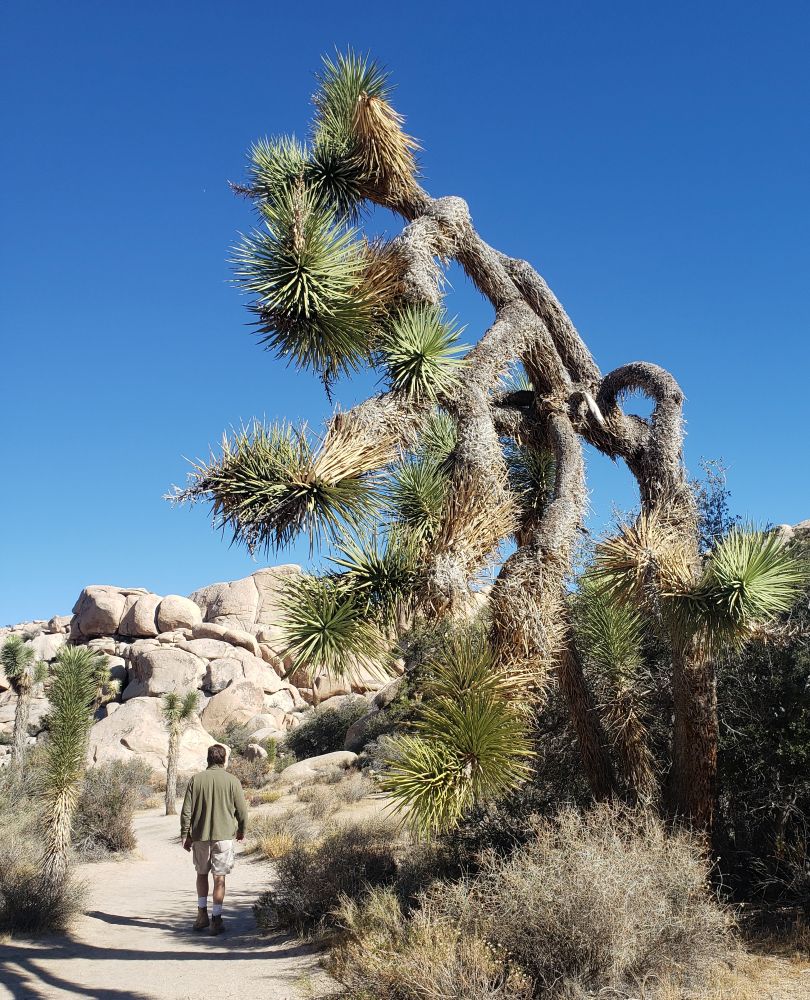
This 1.1-mile loop combines natural beauty with some very interesting history. It is one of my favorite hikes at Joshua Tree National Park – exhilarating but not too difficult and packed with cool things to see!
The trail leads to Barker Dam, a water tank built by early cattlemen, which now serves as an oasis for desert wildlife. Along the way, you’ll see Native American petroglyphs and diverse plant life. Keep an eye out for animals here too, as this area is known for attracting bighorn sheep.
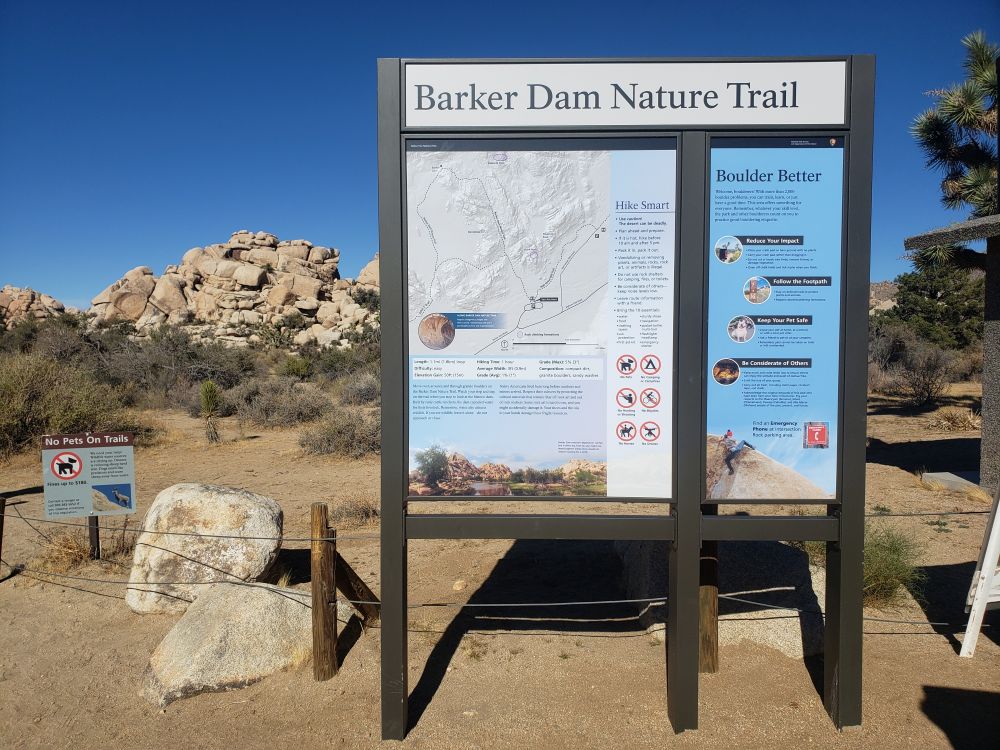
The trail has some uneven terrain and a few rocky sections but is generally manageable for children over five. Having to scramble over the rocks here and there makes this trail lots of fun! Allow about an hour for this hike, including time for exploration and wildlife watching.
4. Skull Rock Nature Trail
Difficulty Level: Moderate
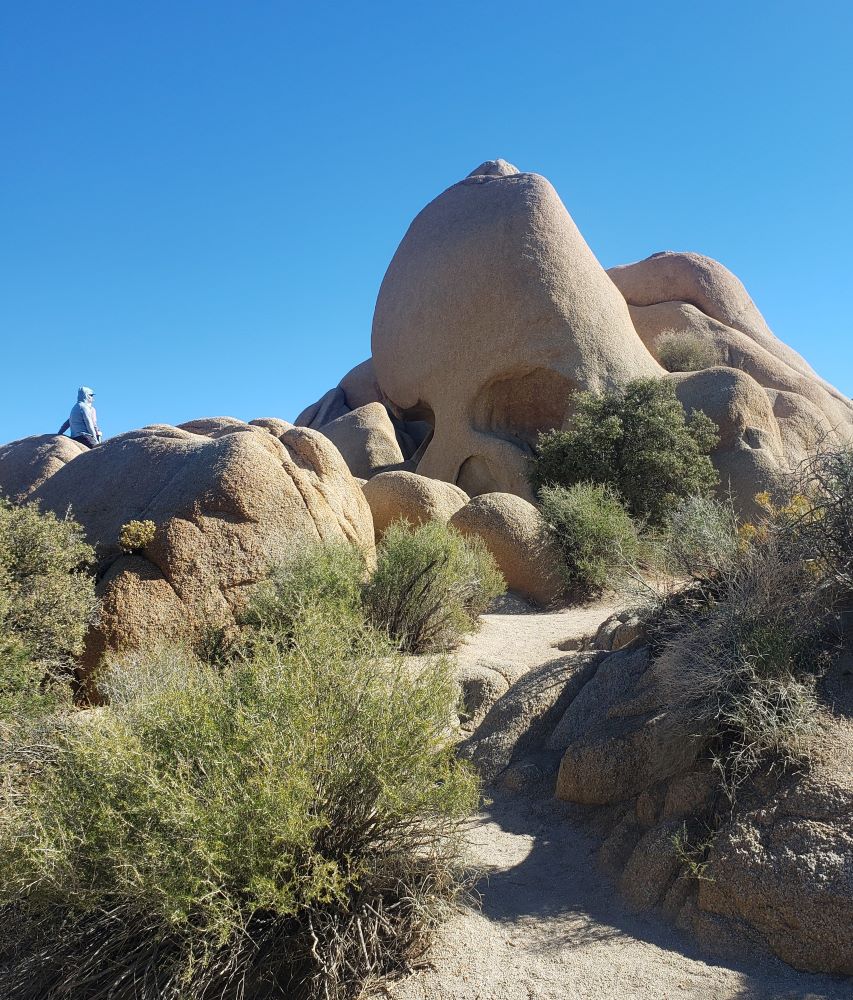
Named after the distinctive skull-shaped rock formation visible from the road, this 1.7-mile loop offers an exciting adventure for families with older children.
The trail features a mix of sandy paths and rock scrambling, providing a fun challenge while showcasing the park’s unique geology. Along the way, you’ll encounter numerous boulder piles perfect for supervised climbing and exploration. Informational plaques highlight the desert’s plant adaptations, making it an educational journey as well.
Plan for about 1-2 hours to complete this trail, depending on how much time you spend exploring the rock formations.
5. Ryan Mountain Trail
Difficulty Level: Challenging
For families with teens or older children looking for a more strenuous hike, the Ryan Mountain Trail offers a rewarding challenge. This 3-mile round-trip hike climbs to one of the highest peaks in the park, offering panoramic views of the surrounding desert landscape.
The trail gains about 1,050 feet in elevation and can be steep in places, requiring good physical fitness and proper footwear. The summit provides an excellent spot for a picnic and a sense of accomplishment for young hikers.
Allow 2-3 hours for this hike, and start early in the day to avoid the midday heat.
Best Time to Visit Joshua Tree for Families
Timing is crucial when planning a family trip to Joshua Tree National Park. The desert climate brings extreme temperatures that can make or break your experience. The most comfortable and popular time to visit is from October to May when daytime temperatures are mild, typically ranging from the mid-60s to mid-80s. These cooler months allow for comfortable hiking and outdoor exploration without the risk of heat exhaustion that summer can bring.
Spring (March to May) is particularly magical, as wildflowers burst into bloom, painting the desert floor with vibrant colors. This natural spectacle, which varies in intensity depending on winter rainfall, can be a highlight for children and adults alike. The cooler temperatures of spring also make it an ideal time for longer hikes and outdoor activities.
Fall (October to November) offers similarly pleasant temperatures and the added benefit of smaller crowds compared to the spring season. The crisp air and clear skies of autumn create perfect conditions for stargazing, a must-do activity in Joshua Tree. Fall is my favorite time of year to visit Joshua Tree!
While summer (June to September) brings scorching temperatures often exceeding 100°F, it can still be an option for families if you plan carefully. Early morning or evening activities, when temperatures are cooler, can be enjoyable. Additionally, the summer months offer the chance to witness spectacular thunderstorms and experience the unique beauty of the desert at night.
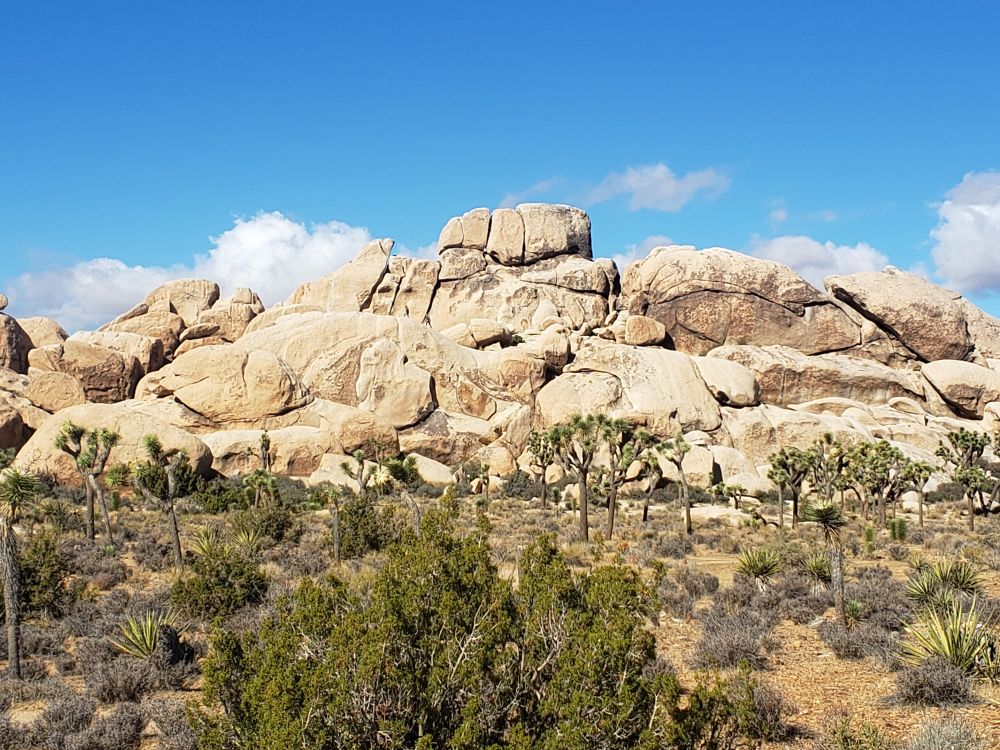
Winter (December to February) in Joshua Tree can be surprisingly cold, with nighttime temperatures occasionally dropping below freezing. However, the potential for snow-dusted Joshua trees and rock formations creates a surreal and beautiful landscape that’s worth experiencing if you’re prepared for the cold.
Safety Precautions for Hiking in the Desert
While Joshua Tree National Park offers unparalleled beauty and adventure, the desert environment presents unique challenges and potential hazards. Ensuring your family’s safety should be a top priority. By following these essential safety precautions, you can enjoy a worry-free exploration of this remarkable landscape.
Stay Hydrated
The arid desert climate can lead to rapid dehydration, even when temperatures aren’t extreme. Bring more water than you think you’ll need – a general guideline is one gallon per person per day. Encourage children to drink water regularly, even if they don’t feel thirsty. Avoid alcoholic and caffeinated beverages, which can contribute to dehydration. Consider bringing electrolyte drinks or tablets to replace minerals lost through sweating.
Protect Against the Sun
The desert sun can be intense year-round. Always wear broad-spectrum sunscreen with an SPF of at least 30, and reapply every two hours or after swimming or excessive sweating. Wear wide-brimmed hats, sunglasses with UV protection, and lightweight, long-sleeved clothing to shield your skin. Seek shade during the hottest parts of the day, typically between 10 am and 4 pm.
Be Aware of Heat-Related Illnesses
Familiarize yourself with the signs of heat exhaustion and heat stroke. Symptoms can include headache, dizziness, nausea, rapid heartbeat, and confusion. If anyone in your group shows these symptoms, move them to a cooler area immediately, provide water, and seek medical attention if symptoms persist.
Plan Your Hikes Wisely
Start hikes early in the morning to avoid the midday heat. Always carry a detailed map and stay on marked trails. Let someone know your planned route and expected return time. Be prepared to turn back if conditions become unfavorable or if anyone in your group is struggling.
Watch Your Step
The desert terrain can be uneven and rocky. Wear sturdy, closed-toe shoes with good traction. Be cautious of loose rocks, especially on inclines. Watch for desert wildlife, including snakes and scorpions, which may be hiding under rocks or in crevices.
Prepare for Extreme Weather
Desert weather can be unpredictable. Check the forecast before your visit and be prepared for rapid temperature changes, especially if you’re staying overnight. In summer, be aware of the potential for sudden thunder
Final Thoughts: Family-Friendly Hikes in Joshua Tree
Joshua Tree National Park is an amazing destination, filled with countless beautiful rocks, hiking trails, camp sites, and fun areas to explore. From the unique rock formations to the ever-present Joshua trees to the diverse desert flora and fauna, every trail and scenic vista inside the park offers a chance for discovery and connection with nature.
So, lace up your hiking boots, grab your water bottles, and get ready for an adventure that will create lasting memories for you and your family.
You can find a list of all the Joshua Tree hiking trails and more safety tips on the National Park Service website.
Save These Kid-Friendly Joshua Tree Hikes for Later!
Planning a visit to Joshua Tree National Park? Pin the image below for future reference.